
Undergraduate Advising Team
The Allen School Advising team strives to provide relationship-focused advising and holistic support to solve problems, navigate barriers, & empower Allen School students in their journey through higher education.
We do this by:
- Providing helpful information and guidance to prospective and current CSE students.
- Fostering a school atmosphere where all students feel welcomed and included.
- Reviewing and updating Allen School services and policies to ensure CSE students receive an excellent educational experience.
Contact: ugrad-adviser (at) cs.washington.edu
Meet the Team

Aubrey Weaver
Title: Assistant Director of Undergraduate Advising
Email: weavera(at)cs.uw.edu
Name Pronunciation: Aw-bree Weaver
Pronouns: she/her
About Aubrey: I’ve spent my career helping students discover new educational opportunities, connecting students to resources, and providing access to education. As a first-generation student myself, I’m passionate about helping first-generation students unlock their potential and discover new interests. Outside of work, I enjoy being outdoors, exploring new places, and trying new cuisines.

Austin
Title: Lead Academic Adviser
Pronouns: he/him
About Austin: Throughout my career, I’ve spent time teaching, working in college access, and in professional recruiting roles, but one thing that has remained constant: I love supporting students as they navigate their educational journey. I am a proud member of the LGBTQIA+ community and know first-hand how important it is to provide safe and accessible spaces for all students to learn and grow. Outside of work I love traveling, playing board games, spending time outside, and trying new recipes.

Rakeb
Title: Lead Academic Adviser
Pronouns: she/her
About Rakeb: I am a proud first-generation college student and graduate of the University of Washington! I’ve loved being part of the UW community for over a decade as a student and staff member in various roles. My passion is supporting students as they navigate their educational goals through a holistic advising lens.

Charlotte
Title: Senior Academic Adviser
Pronouns: she/her
About Charlotte: I joined the Allen School in 2024, but will celebrate a decade as a UW advisor in Summer 2025! When I’m not advising, I love to read, bake, and hang out with my little dog.

Jill
Title: Senior Academic Adviser
Pronouns: she/her
About Jill: I have been an adviser with the Allen School since 2021, but have been on campus for a while as I completed my undergrad and graduate degrees here at the University of Washington (go dawgs!). Outside of work, I enjoy baking, skiing, reading, and reality TV.

Cassie
Title: Academic Adviser
Pronouns: she/her
About Cassie: I joined the Allen School as an Academic Adviser in 2022, and I feel fortunate to work with such incredible students. Outside of advising, I love to spend time outdoors, and I am grateful to live in a place with such beautiful outdoor spaces.

Alan
Title: Academic Adviser
Pronouns: he/him/el
About Alan: I joined the Allen School as an Adviser back in 2023, and I’m passionate about guiding students through their tech journeys and empowering the next generation of innovators. Outside of advising, I enjoy cooking, baking, and experimenting with new recipes—sometimes with a bit of help from AI!

Arielle
Title: Front Desk Coordinator & Advising Assistant
Pronouns: she/her
About Arielle: I graduated from the University of Washington and afterward, I joined the Allen School in 2023. I love being at UW! Outside of work, I enjoy baking, crocheting, exploring new places, trying new cafes and restaurants, and spending time with my friends.
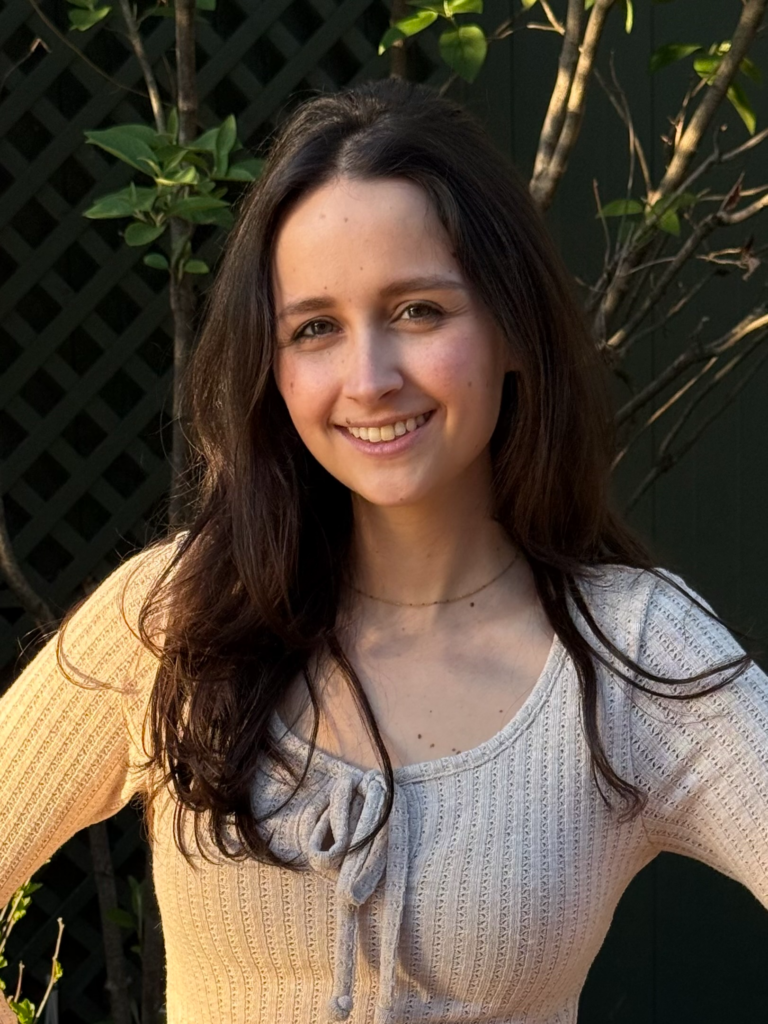
Bella Schilling
Title: Academic Adviser
Pronouns: she/her
About Bella: I have been working in student support roles in higher education for the past three years and am passionate about helping students navigate their academic journeys and achieve their goals. Outside of work, I enjoy going for walks, playing video games, and cooking.