
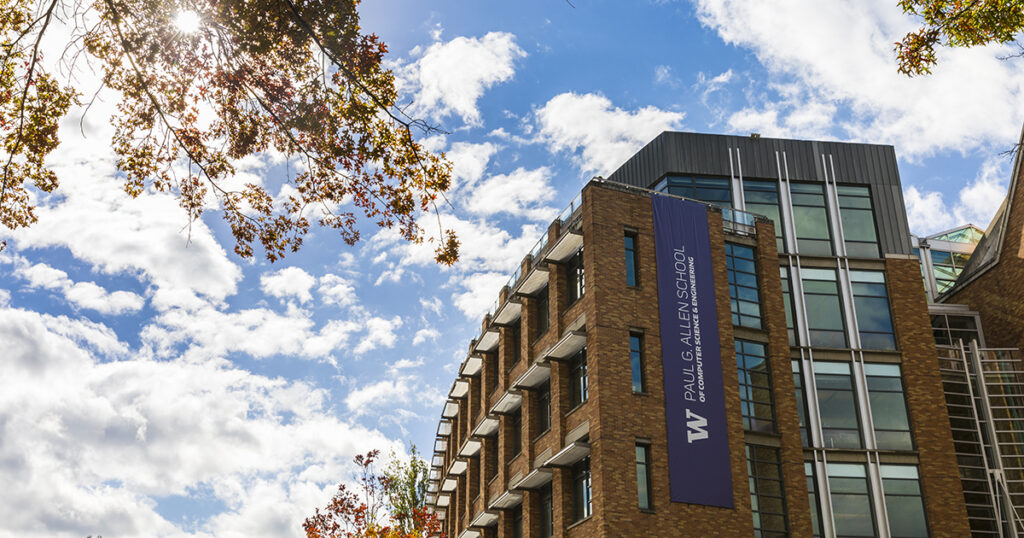
Each year, the Allen School recognizes outstanding former students with exceptional records of achievement with the Alumni Impact Award. This year’s honorees David Dawson (B.S., ‘06) and Nodira Khoussainova (Ph.D., ‘12) have combined their computing skillset with their entrepreneurial spirit to build companies that are making a positive impact in people’s lives.
“David and Nodira are exceptional role models for our graduates. They demonstrate how you can bring the technical skills unique to a computing education to bear on matters of community and societal well being that we can all relate to,” said Dan Grossman, professor and vice director of the Allen School. “Their passion as entrepreneurs springs from this through line from technical problem solving to finding important issues others have overlooked.”
Dawson and Khoussainova will be formally honored at the 2026 Allen School graduation celebration on June 12 — showcasing to a new class of alumni what can be accomplished with an Allen School education.
David Dawson (B.S., ‘06): Building meaningful startups with the “right mix of mission, people and opportunity.”
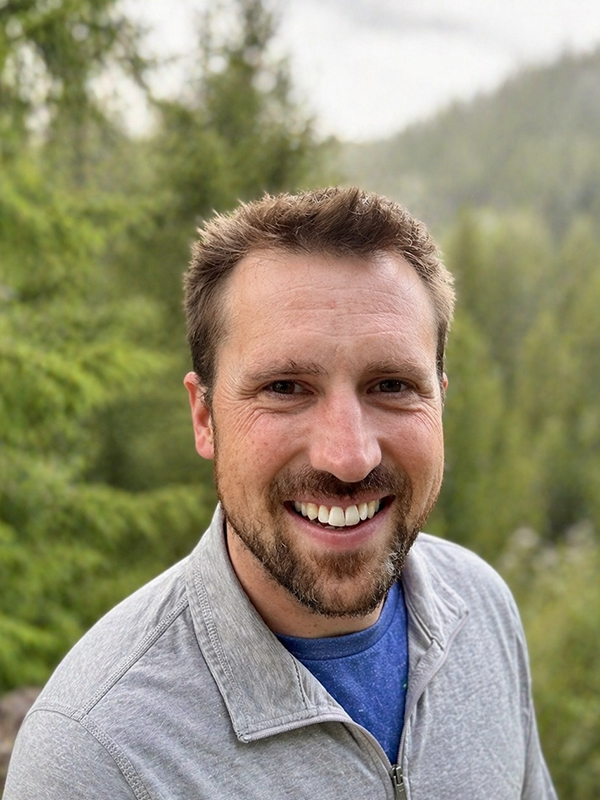
David Dawson got his start in technology and entrepreneurship in high school building websites for local businesses. Since then, his career has been defined by a series of technical co-founder and early engineering roles at multiple Pacific Northwest startups. Along the way, he worked with members of the Seattle technology community — including many fellow Allen School alumni — who would go on to become lifelong collaborators, with the goal of building technologies that make a difference.
“One of the things I love about getting a company going from the ground up and building relationships with people who are also trying to create this thing that doesn’t exist is that it taps into an optimism and passion that keeps you going,” Dawson said.
After graduating from the Allen School, Dawson followed some of his University of Washington alumni to Zillow as one of the company’s first software engineers. The experience was his “first foray into starting something more from scratch” where he learned the ins and outs of startup life and how to creatively solve problems. That skillset helped him co-found his next two business ventures — a loyalty rewards program called Stash Hotel Rewards that helps independent hotels compete with larger chains, and Leah’s Kitchen, a dinner delivery service that makes home cooked meals more accessible for busy families. While each startup had vastly different focuses, Dawson said each one brought together the “right mix of mission, people and opportunity.”
The seeds of resilience that I’ve been able to build over the years really started there at the Allen School, where I learned that it’s okay to fail some and pick yourself up and ask for help.
In 2018, Dawson co-founded Ridwell, a subscription service that makes it easier for households to recycle items that can’t be easily recycled curbside with the goal of building a future without waste. The company takes in items such as multilayer plastics, styrofoam, light bulbs and electronics and transports them to local partners who specialize in giving the materials a second life to keep them out of landfills. Ridwell began as CEO Ryan Metzger and his son driving around North Seattle collecting hard to recycle items from neighbors, and Dawson offered to help on the technology side. Along with two other co-founders, they turned the mailing list of Seattle neighborhoods to a subscription recycling business that spans more than 150,000 customers across the country. While Dawson has stepped aside as the company’s head of engineering, he still maintains an advisory role.
Dawson credits his time at the Allen School with giving him the skillset, mentorship and opportunities to help his career grow.
“The seeds of resilience that I’ve been able to build over the years really started there at the Allen School, where I learned that it’s okay to fail some and pick yourself up and ask for help,” said Dawson. “The instructors, professors and advisers who helped me find my way — I’m only starting to appreciate it now, but these connections and people are what matters when you think about going out and getting a job and doing great things.”
Next, Dawson is focused on helping everyday builders in his community use artificial intelligence to bring their ideas to life. That includes collaborating with his wife (a fellow Husky) to grow her coaching business and working with other colleagues on smaller, AI-driven projects.
Nodira Khoussainova (Ph.D., ‘12): Developing technology that protects human attention instead of stealing it
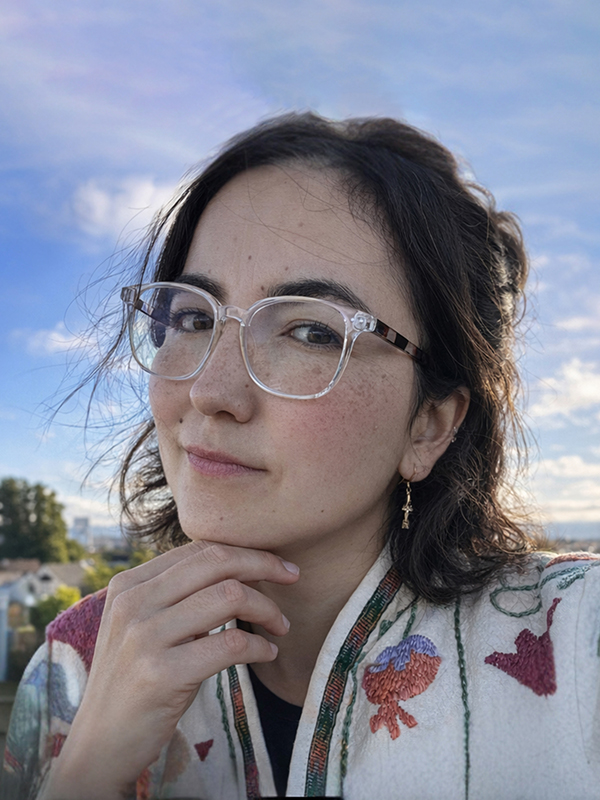
Nodira Khoussainova, CEO and co-founder of the online social coworking platform Focused Space, is doing something that feels almost countercultural these days: building a company whose entire purpose is the protection of human attention.
“The most important work that’s happening in the tech industry right now involves protecting human attention instead of stealing it, and creating space for authentic human connection instead of just chasing engagement metrics,” Khoussainova said.
That clarity of purpose was first shaped during her time at the Allen School, where she was advised by professors Magdalena Balazinska and Dan Suciu of the UW Database Group. She said that Balazinska taught her the basis of systems thinking and how to look at a problem and break it down into a system of interconnected parts and constraints. For Khoussainova, that’s a skill she uses every day as a founder, since “running a company is basically a systems problem.” From Suciu, she learned what she describes as “principled thinking,” or digging deep into issues and pushing against one’s own assumptions, which has shaped how she evaluates ideas and makes decisions. In the labs and hallways of the Allen School, Khoussainova said she also learned that technology is only as meaningful as the humans it serves.
“At the Allen School, there’s this deep sense of responsibility and thoughtfulness about the impact technology is having on society,” Khoussainova said. “It was in the air. I was living and breathing that culture. It’s why I’m building the technology I’m building.”
After completing her Ph.D., Khoussainova went deep into industry. She co-founded Streamlit, a developer tool for AI and machine learning engineers that was later acquired by Snowflake, and led the experimentation team at X (formerly Twitter). She was at the frontier, watching up close how technology was reshaping human behavior and affecting people’s mental health.
In 2021, Khoussainova co-founded Focused Space, which helps creatives, entrepreneurs and academics concentrate on their work and achieve their goals through “body doubling.” Body doubling is a technique where people work alongside one another, such as in a coffee shop or an online video space. It helps a person sit down and focus on tasks they have been meaning to finish.
She created the company initially for herself as a passion project. “I’ve always been someone who cares deeply about my work, and I love the state you get into when you can really lock in, but it’s really hard to put aside all distractions,” explained Khoussainova.
Once she saw the impact she was having on people’s lives — members getting dream jobs, publishing books and launching businesses — she doubled down on the vision. Khoussainova brought on her two co-founders: Justin Trobec from X and fellow UW alum Alexis Hope, a product designer whose work centers on helping people find joy, self-compassion and connection with others.
At the Allen School, there’s this deep sense of responsibility and thoughtfulness about the impact technology is having on society.
The platform is especially helpful for users who are neurodivergent, such as the growing number of adults with attention deficit/hyperactivity disorder (ADHD), and those who work remotely. Focused Space offers more than 100 expert-facilitated online body doubling sessions throughout the work week across multiple time zones, and provides other tools for goal setting, productivity and more. For example, the company also partners with a network of therapists, coaches and educators who offer workshops on topics such as stress management. Focused Space recently went public in the Apple App Store and launched its own social video platform.
Read more about the Alumni Impact Award here.