Advances in low- and no-power sensing, communication and interaction technologies offer new possibilities for blending digital innovation with our physical environment.
From gesture recognition that allows people to interact with objects in new ways, to low-power sensors that collect and transmit data about temperature, air quality, urban accessibility and more, our researchers are tapping into the potential of computation to transform how we experience the world around us.
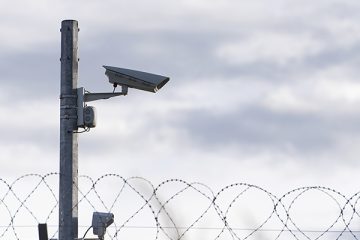
Allen School Ph.D. student Yael Eiger and professor Franziska Roesner discuss their research examining people’s experiences with technology during and after incarceration and the broader impacts of technology used for policing and post-release monitoring.
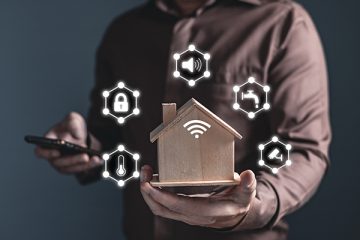
In their 2017 paper, Roesner and her co-authors were among the first to investigate end-user security and privacy perspectives on then-emerging smart home technologies and recommend ways to help users make more informed security decisions.
Itani, who works with Allen School professor Shyam Gollakota in the Mobile Intelligence Lab, was recognized for exceptional early-career research advancing AI systems for “superhuman” hearing.