Admitting Faculty
Applicants are given the opportunity to indicate up to 3 interest areas from our research areas of expertise.
Applicants will also select the names of the faculty with whom they’d like to work with in ranked order. Applications are primarily routed to reviewers using this information so it is important to carefully select those professors with whom interest aligns.
The faculty listed below are currently considering recruiting Ph.D. students for Autumn 2027. Faculty recruiting plans may change before the December 15 application deadline, and this page will be updated as new information becomes available. Applicants are encouraged to check back periodically. Faculty not listed here may still be accepting new students, but have not yet updated their recruiting status.
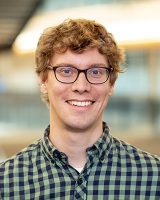
Tim Althoff
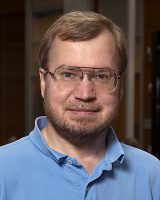
Tom Anderson
Gilbert Bernstein

Maya Cakmak
Andres Erbsen
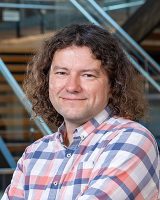
James Fogarty
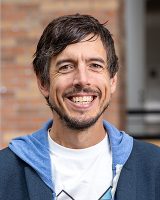
Jon E. Froehlich
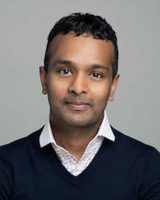
Shyam Gollakota
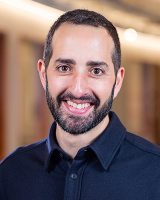
Matthew Golub
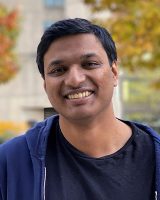
Abhishek Gupta
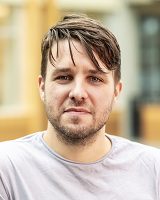
Kurtis Heimerl
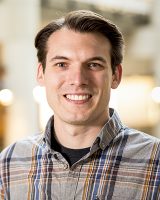
Kevin Jamieson
My group studies interactive machine learning: algorithms that decide what data to collect next rather than learning passively from a fixed dataset. This spans adaptive experimental design, active learning, multi-armed and contextual bandits, and reinforcement learning. Our work is primarily theoretical, focused on understanding the fundamental limits of sample-efficient learning and designing algorithms that provably achieve them.
Current priorities include exploration and data collection for training and evaluating large models, and reinforcement learning with rich function approximation. I am looking for PhD students with strong foundations in probability, statistics, linear algebra, and optimization who enjoy proving theorems and thinking carefully about what makes learning problems hard. Prior research in learning theory or RL is welcome but not required; mathematical maturity and curiosity matter most.
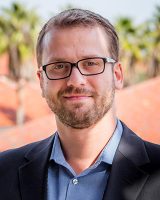
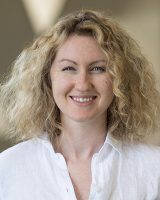
Ira Kemelmacher-Shlizerman
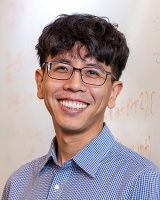
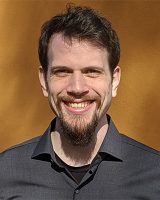
David Kohlbrenner

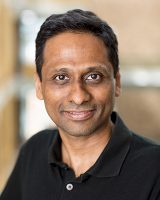
Jen Mankoff
Jamie Morgenstern
Chinmay Nirkhe
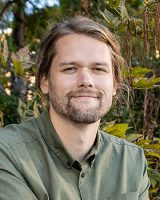
Jeff Nivala
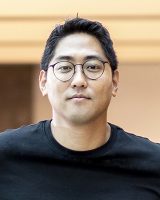
Sewoong Oh
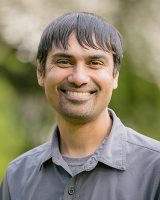
Shwetak Patel
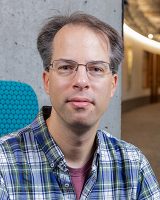
Simon Peter
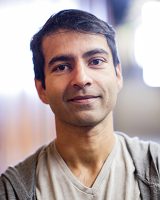
Anup Rao
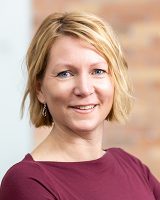
Katharina Reinecke
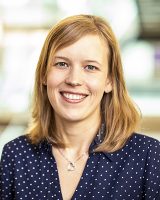
Franziska Roesner

Steven Seitz
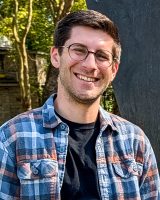
Nicholas Sharp

Noah A. Smith
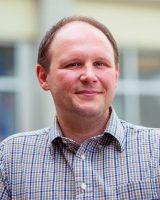
Zachary Tatlock
I think everything is a compiler, and my group’s main tool for building trustworthy ones is equality saturation. We created and maintain egg and egglog, e-graph infrastructure used around the world for optimization, synthesis, and verification. Our current questions: what e-graphs actually mean (a formal semantics in Lean), how an optimizer can produce checkable proofs, how to extract programs with effects, and how to run equality saturation in parallel at scale.
Numerics is our second pillar: Herbie and its relatives automatically improve floating-point accuracy, and we are pushing that into compilers with rigorous rounding guarantees.
My roots are in formally verified compilers, and everything we do pairs proofs with real systems and measurements, “both Greek and graphs”. Students develop their own research vision as they grow, and I look for people excited to build infrastructure others depend on and to prove it correct.
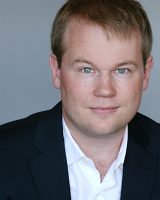
Michael Bedford Taylor
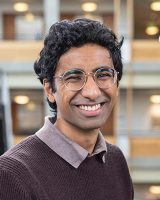
Nirvan Tyagi
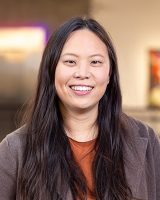
Stephanie Wang