Allen School researchers are at the forefront of exciting developments in AI spanning machine learning, computer vision, natural language processing, robotics and more.
We cultivate a deeper understanding of the science and potential impact of rapidly evolving technologies, such as large language models and generative AI, while developing practical tools for their ethical and responsible application in a variety of domains — from biomedical research and disaster response, to autonomous vehicles and urban planning.
The Reasoning, AI, and VisioN (RAIVN) Lab directed by Prof. Ali Farhadi and Prof. Ranjay Krishna focuses at the intersection of computer vision, machine learning, natural language processing and robotics and is targeted towards helping computers…
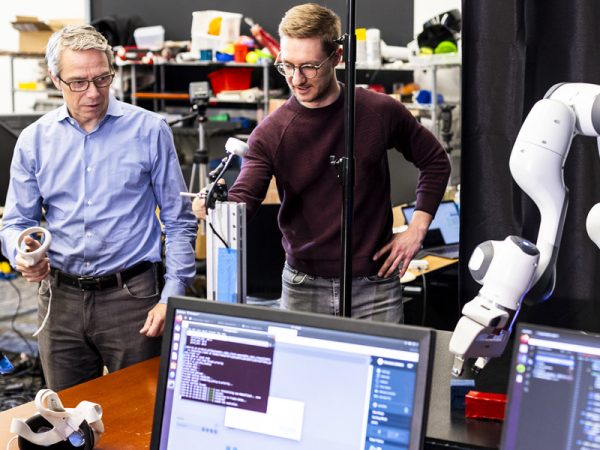
We are interested in the development of computing systems that interact with the physical world in an intelligent way. To investigate such systems, we focus on problems in robotics and activity recognition.
Computing for the Environment (CS4Env) at the University of Washington supports novel collaborations across the broad fields of environmental sciences and computer science & engineering. The initiative engages environmental scientists and engineers, computer scientists and engineers, and data scientists in using advanced technologies, methodologies and computing resources to accelerate research that addresses pressing societal challenges related to climate change, pollution, biodiversity and more.
TCAT harnesses the power of open-source technology to develop, translate, and deploy accessible technologies, and then sustain them in the hands of communities. Housed by the Paul G. Allen School for Computer Science & Engineering, TCAT centers the experience of people with disabilities as a lens for improving design & engineering, through participatory design practices, tooling and capacity building.
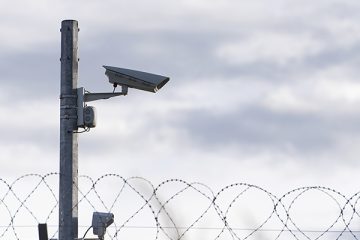
Allen School Ph.D. student Yael Eiger and professor Franziska Roesner discuss their research examining people’s experiences with technology during and after incarceration and the broader impacts of technology used for policing and post-release monitoring.
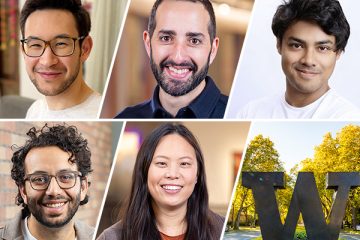
Professors Andrea Coladangelo, Matthew Golub, Ranjay Krishna, Chinmay Nirkhe, and Stephanie Wang are shaping the future of computing through projects spanning AI, systems, computational neuroscience, cryptography and quantum computing.
To help shed light over safety and security concerns with current AI systems, UW News spoke with researchers including professors Franziska Roesner and Noah A. Smith.